Nola thought she was prepared.
With her background in nursing, Nola was no stranger to caring for others or making tough decisions. She had spent years taking care of her family. So when her husband, Gene, began to decline, she believed she could handle whatever came next.
But then, everything changed quickly. After more than two years living independently at Edgewood Bismarck Village, Gene was diagnosed with Alzheimer’s. Just a few months later, in August, the couple received another blow: Gene had advanced pancreatic cancer. Despite the seriousness of his diagnosis, Gene wasn’t in pain. That absence made everything more confusing. How ill was he, really? When was it time to consider hospice? And what would hospice even mean for their family?
Nola’s uncertainty is more common than many realize. Families often wait until they’re overwhelmed before reaching out for support.
I didn’t know when I needed hospice, your mind gets a little numb. You’re just thinking about what’s right in front of you.
It was Nola’s daughter who helped open the door. She recommended CaringEdge hospice services, and Nola decided to make the call. Whitney Rath-Wald, Licensed Social Worker and Director of Social Services for CaringEdge, visited the next morning. At first, Nola wasn’t looking for someone to take over. She wanted clarity. She needed to understand what was happening and what Gene might need next.
Sitting together in the couple’s sunroom, Whitney was struck by Nola’s dedication.
Through that conversation, Nola discovered that hospice is about more than medical care. It’s also about education helping families understand disease progression, recognize changing needs, know when to ask for additional support, and remember to care for themselves along the way.
From the beginning, the CaringEdge team focused on Gene’s comfort and quality of life while providing Nola with education, guidance and reassurance. Hospice brought an additional layer of support to the family as Gene’s needs changed.

Nola radiated warmth and exuded an innate wisdom for caregiving and eternal love, she was invested in learning about hospice and the role she was going to play, eager to ensure she had the tools to give her husband the very best quality in the last journey of his life.
One of Nola’s most vivid memories is the “survival kit” CaringEdge brought: a tote filled with supplies to help care for Gene at home. As his needs changed, the team also arranged a walker, wheelchair, shower chair and bathroom aids. Those practical supports made everyday life a little easier. But the most valuable support wasn’t something they could pack in a tote.
It was the knowledge, partnership, and guidance the CaringEdge Bismarck team provided. Jillissa Vollmer, RN, BSN, served as their main hospice nurse. As two nurses working together, Nola and Jillissa developed a relationship built on mutual respect. “She had it all in her,” Jillissa remembers of Nola. “She is a caregiver and nurse by trade, but Nola taught me things as I took care of him, too! In my hospice book of ideas, under constipation, I even have what’s called ‘The Nola!’”
Rachel Keegan, RN, also taught Nola how to safely administer medications as Gene’s needs changed. “That was a godsend,” Nola says of learning to give Gene his medication when he could no longer swallow.
Hospice isn’t around-the-clock bedside care, but the team was always just a phone call away when something changed or Nola had questions. That reassurance meant everything.
One of the biggest misconceptions families have is that hospice means we come in, medicate someone, and they die, They live! They live out their final moments with their loved ones in the comfort of their own home.
As Gene grew weaker, all four of the couple’s children came to be with them. With CaringEdge helping manage the medical details, Nola could focus on being a wife and mother, not just a caregiver. She made sure family was present, music was playing, and Gene’s choices were honored. That included making sure he had a DQ Blizzard multiple times a day whenever he asked for one.
For Jillissa, the defining element of Gene and Nola’s home was unmistakable: unconditional love. “When I think of Gene and Nola, I immediately think of love,” Jillissa says. “During those final weeks, Nola never looked defeated, upset, or worried. She loved on him in every capacity she could until his last breath.” The family filled Gene’s final days with stories, music and laughter. They talked about their deep roots, including Nola’s role in founding Mandan Art in the Park and their shared love of music. On the piano in their sunroom sat a song Gene had written especially for his wife. It was titled Nola.
Even as Gene became bedbound, joy remained part of the home. Jillissa remembers walking in to find Nola and all four children laughing so hard they cried as they watched funny videos and shared ‘Gene mannerisms.’ That’s one of the misconceptions hospice can help change: that hospice is simply about managing symptoms at the end of life. Gene passed away in the early hours of the morning. Nola called CaringEdge Bismarck/Mandan, and a nurse arrived within half an hour to help prepare Gene’s body. Nola stepped in to help, an act that was both difficult and deeply meaningful.

Looking back, Nola wishes she had known more about hospice sooner. Even with her nursing experience, she hesitated, unsure when to ask for help.
Her advice to other families is clear:
“Run, don’t walk, and don’t wait.”
You don’t need to have all the answers before you call, and you don’t need to wait for a diagnosis or a major change in health to learn about hospice. Understanding your options early can help you feel more prepared when the time comes. CaringEdge helps families understand their options, manage changing needs, coordinate medications and equipment, and navigate the emotional journey 24/7, wherever you call home.
If you have questions about hospice or are noticing changes in a loved one’s health, you don’t have to go through it alone. CaringEdge is here to help you understand what comes next. Reach out today at info@caringedge.com.
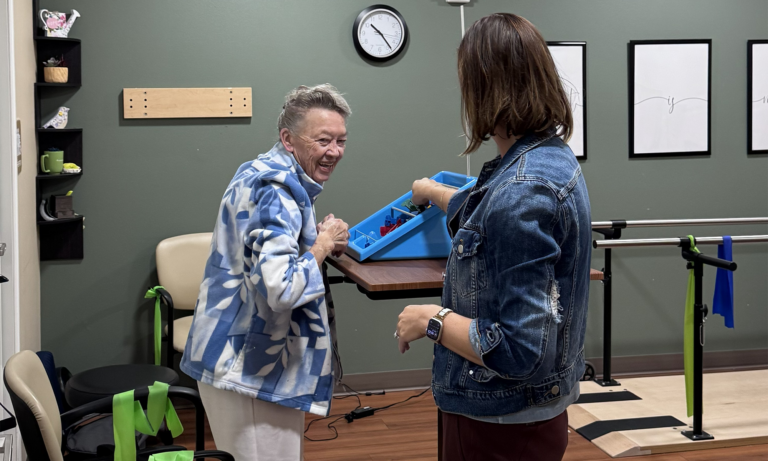
Velma plays piano and texts her family with growing confidence. For her, outpatient therapy means holding onto what makes life meaningful. With proactive care, she celebrates everyday victories.

After a serious fall left 86-year-old Colleen facing months of recovery, personalized therapy, coordinated care, and compassionate support helped her regain strength, confidence, and independence.

Rock Steady Boxing for Parkinson’s helps individuals build strength, balance, and confidence through movement while fostering connection and community.

Explore senior care services through a former nurse’s perspective, including home health care, hospice care, therapy services, and care coordination that help older adults and families navigate aging with dignity and comfort.
