Vaughn received hospice care from CaringEdge Minot for just seven days. During that week, the team focused on what mattered most to him: comfort, relief from pain, and support for the people beside him. His story is a reminder of how attentive hospice care can be, even when time is short.
Vaughn wasn’t afraid of dying. He was afraid of being in pain.
A United States Marine who served during the Vietnam era, Vaughn was JoNell’s husband, Jeremy’s father, and a friend to people who knew him well. His life held far more than its final chapter, but as his health changed, he wanted one thing understood: he did not want to hurt.
His close friend Carla, a nurse practitioner, remembered those words. She watched for signs of discomfort and spoke up when she saw them. When Bellus Medical referred Vaughn to CaringEdge Minot for hospice care, his wishes helped guide the support he received.
Vaughn did not always speak up when he was uncomfortable. Carla could often tell by the way he moved. He might curl up or shift his body differently. To her, those small changes meant it was time to pay attention.
Carla shared what she noticed so Vaughn’s hospice team could assess his symptoms and respond. For her, that was an essential part of keeping his wishes at the center of care. Pain and symptom management are personal. A hospice nurse considers what the patient is experiencing, what family and caregivers are noticing, and what the care plan calls for. The team can offer guidance and adjust that plan as needs change.
For Vaughn, attentive care meant the people around him listened even when he was not asking for help in words. His fear of pain was heard, and his comfort remained a priority.

We were never kept waiting, wondering, or out of the loop.
Vaughn had familiar faces beside him throughout his final days. His close friend Carla, a nurse practitioner, and his neighbor Le-Rae, a nurse, stayed at his side. He called them “his girls.”
Alongside them, CaringEdge team members Kassy, Vanessa, and Georgina answered questions, responded to Vaughn’s changing needs, and kept those closest to him informed.
When Carla reached out with a concern, the team’s responsiveness made such an impression that she began timing how long it took to hear back. In her experience, she never waited more than six minutes for a response. Those conversations helped the people beside Vaughn understand what they were seeing and what to do next. They could share a concern, ask a question, and receive guidance as his needs changed.
Looking back, Carla wishes families knew they could ask about hospice before the final days. After seeing the difference just one week of support made for Vaughn, she believes an earlier conversation could have given him and those close to him more time to understand the options and talk through his wishes.
Hospice care can provide nursing care, pain and symptom management, medications and equipment related to the hospice plan of care, and emotional and spiritual support. It also gives families and caregivers a team to call when they have questions or notice a change. Exploring hospice does not mean a family has every answer or knows exactly what will happen next. It gives them a chance to ask: What matters most to this person? What are they worried about? What support is available now?
Vaughn had already given the people who loved him an answer to one of those questions. He was afraid of pain. Carla hopes other families will hear concerns like his and bring them into the conversation early, while there is time to make a plan.
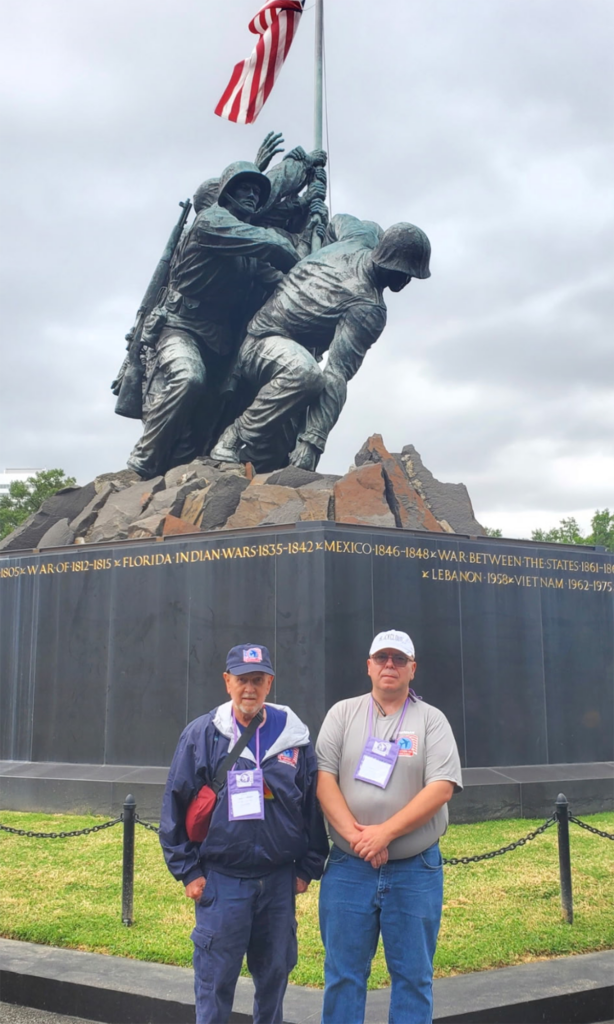
Caring for Vaughn reminded me that even in difficult moments, our presence, compassion, and willingness to listen can make a profound difference. It was an honor to be part of his journey and to help his family feel supported and cared for.
A Life Worth Honoring
Vaughn’s time with CaringEdge hospice lasted seven days. His life cannot be measured by that week. This November, we honor Vaughn’s service and the service of others who have worn the uniform.
November is also National Hospice and Palliative Care Month, a time to recognize the teams who care for individuals and families at the end of life. For Vaughn, honoring his life meant taking his fear of pain seriously. Carla and Le-Rae stayed beside him, while the CaringEdge team listened, watched for signs of discomfort, and made his comfort a priority.
Fact: Hospice care means shifting the focus to comfort, dignity, and quality of life when treatment to cure a terminal illness is no longer the goal. Hospice teams help manage pain and other symptoms while supporting the person’s wishes and the people who love them.
Fact: Don’t wait for a crisis or until time is running short. If someone you love is facing a life-limiting illness, ask about hospice early. Learning about hospice does not mean care has to begin immediately. It gives your family time to understand eligibility, explore available support, discuss your loved one’s wishes and make informed decisions before symptoms become overwhelming or choices feel rushed.
Fact: Morphine may be prescribed in hospice or palliative care to relieve pain or, in some cases, ease shortness of breath. Its use depends on a person’s symptoms and individual care plan—not simply how close they are to death. The care team monitors the person’s response and any side effects.
Fact: Hospice care also supports families and caregivers. Services can include guidance on changing symptoms, emotional and spiritual support, and help understanding what to expect. Bereavement support can continue after a loved one’s death, helping families navigate grief.
To learn more about CaringEdge hospice services, reach out to info@caringedge.com.

We’re proud to celebrate CaringEdge Hospice’s five-star CMS rating. Learn more about this recognition and our dedication to helping patients and families feel supported, comforted, and cared for throughout their hospice journey.
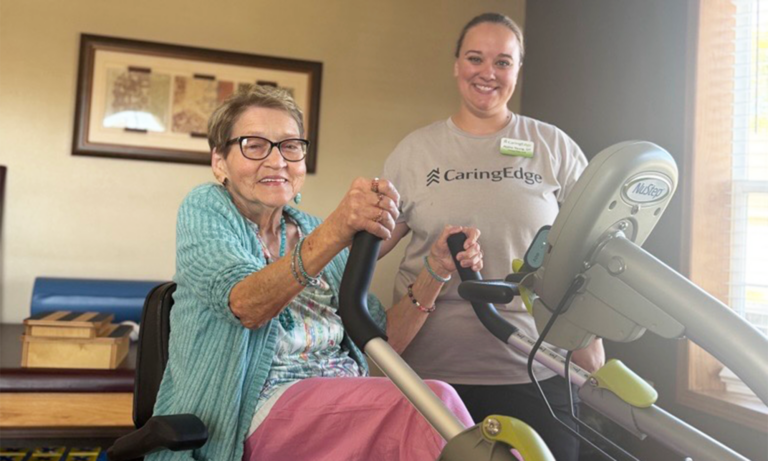
Penny is at 56 steps per minute on the NuStep, and “close enough” apparently isn’t on her agenda. With CaringEdge beside her, she’s chasing 60 and enjoying the everyday freedom she’s worked hard to regain.
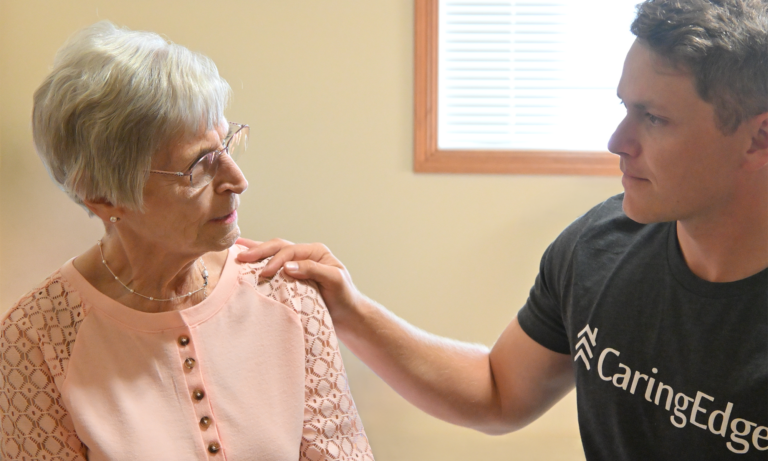
Even with her nursing background, Nola wasn’t sure when it was time to call hospice. Now, she wants other families to know they don’t have to wait until they feel overwhelmed to ask for support.
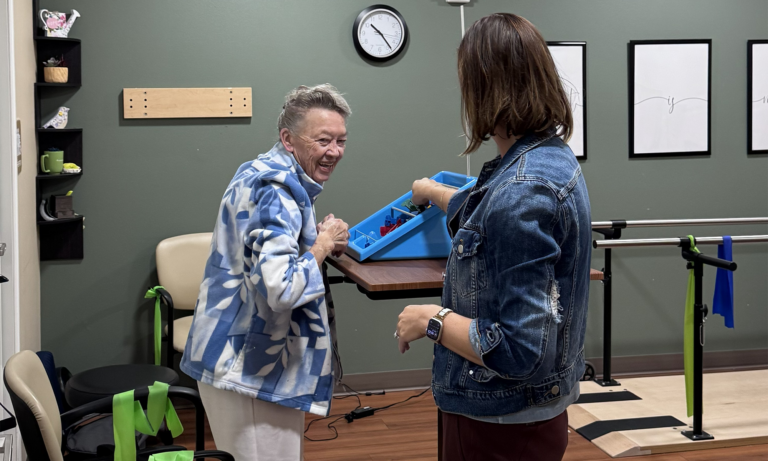
Velma plays piano and texts her family with growing confidence. For her, outpatient therapy means holding onto what makes life meaningful. With proactive care, she celebrates everyday victories.